


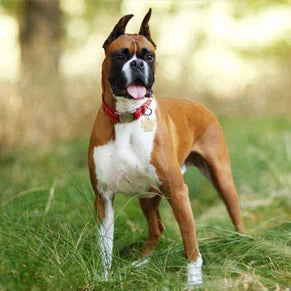
Boxer
| Lifespan 10-12 years (Adult) |
Origin -- |
| Temperament Bright, Friendly, Intelligent, Devoted, Energetic, Loyal, Cheerful, Fearless, Confident, Playful, Calm, Brave |
Height Male 57-63 inches, Female 53-60 inches |
| Colors White, Brindle, Fawn |
Weight Male 27-32 pounds, Female 25-29 pounds |
About the Breed
Breed Boxer, also called Boxer dog, is a smooth-haired working dog breed named for its manner of "boxing" with its sturdy front paws when fighting. The Boxer, developed in Germany, includes strains of Bulldog and Great Dane in its heritage. Because of its reputation for courage, aggressiveness, and intelligence, it has been used in police work but is also valued as a watchdog and as a companion. It is a trim, squarely built dog with a short, square-shaped muzzle, a black mask on its face, and a shiny, short-haired coat of fawn (reddish brown) or brindle.
Some Common Diseases and Homeopathic Remedy
Diseases:
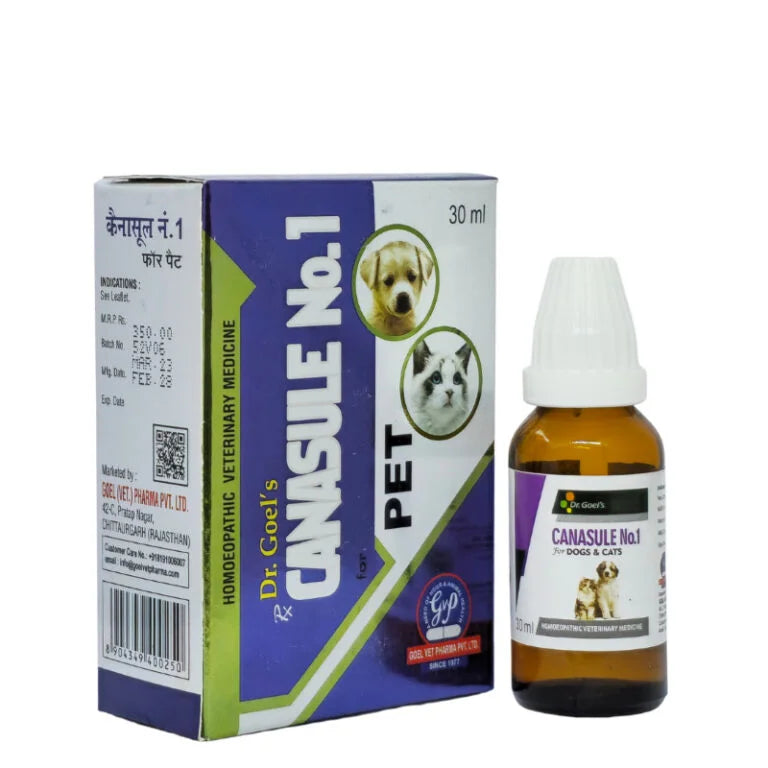
Low Immunity
Boxer dogs, like all breeds, may face health challenges related to their immune system, which include attacks on healthy cells, allergies triggered by environmental factors or certain foods, and susceptibility to infections.
Suggested Solution: Canasule No.-1 —
A First Aid for all types of Dogs & Cats problems; provides immune support against infections and, to some extent, different types of cancers.
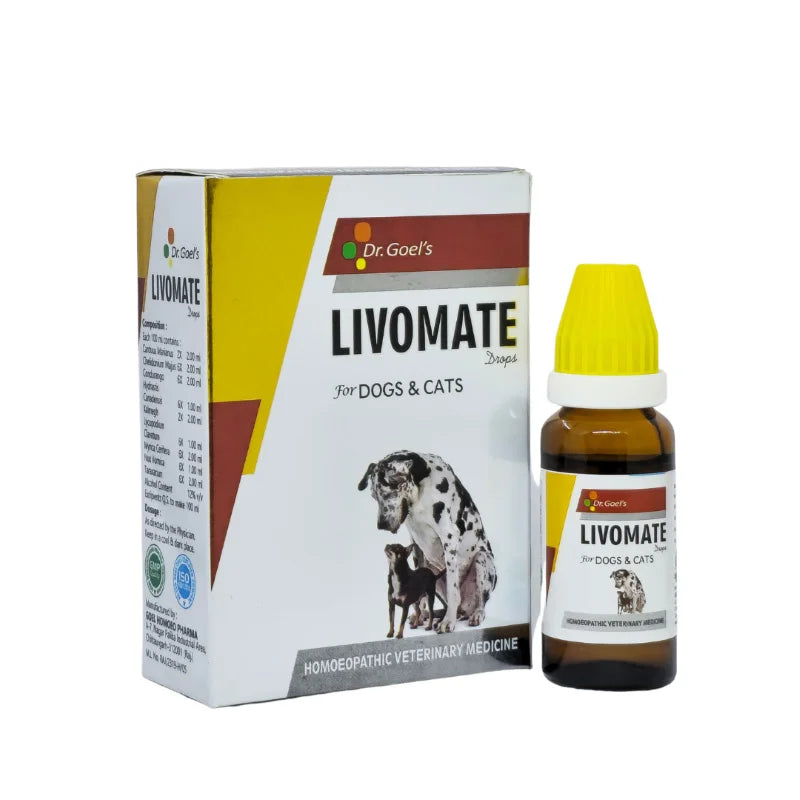
Bloat:
Breed Boxer can be prone to gastric dilatation-volvulus (GDV), commonly known as bloat, a serious condition where the stomach fills with gas and twists, requiring immediate veterinary attention.
Suggested Solution: Livomate —
A potent homeopathic solution for pets, effectively improving anorexia caused by various factors like fever, digestive issues, anxiety, and underlying illnesses.
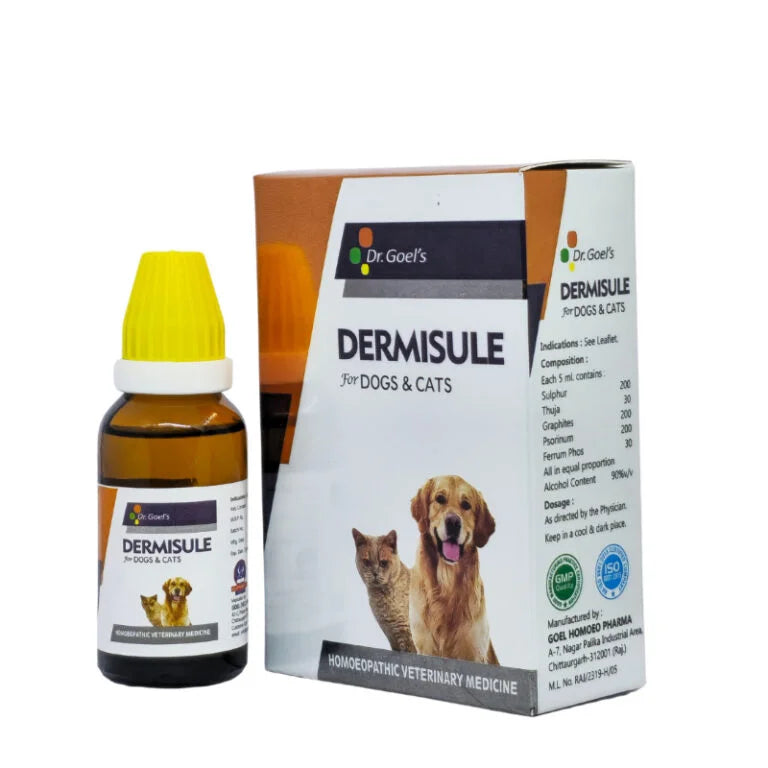
Allergies:
Boxers breed may develop skin allergies, leading to itching, redness, and sometimes infections.
Suggested Solution: Dermisule —
Effectively treats various skin conditions in dogs, including eczema, allergies, rashes, lesions, and mange-related symptoms with discharge, redness, and hair loss.
What Is the Boxer Dog Breed?
The Boxer dog breed traces its roots to 19th-century Germany, developed from crosses between the Bulldog and the now-extinct Bullenbeisser (a hunting dog related to the Great Dane). The name? The name most likely comes from the breed's habit of "boxing" with their front paws during play or confrontation.
Quick breed snapshot:
- Origin: Germany
- Height: Males 57–63 cm | Females 53–60 cm
- Weight: Males 27–32 kg | Females 25–29 kg
- Coat: Short, smooth, close-lying
- Colours: Fawn, Brindle, White
- Temperament: Bright, energetic, loyal, fearless, playful, and deeply devoted to family.
Boxer Lifespan: How Long Do Boxers breed Live?
This is one of the first questions any responsible Boxer owner asks, and rightly so. The Boxer lifespan is typically 10 to 12 years. That's on the shorter end compared to smaller breeds, but it's fairly standard for medium-to-large dogs.
What impacts a boxer breed lifespan:
- Genetics, a family history of heart disease or cancer, significantly affects longevity.
- A diet high in quality, protein-based food directly supports muscle mass and immunity.
- Exercise Boxers need 1.5-2 hours of physical activity daily; under-exercised dogs age faster.
- Preventive care: regular vet checkups, vaccinations, and parasite control.
- Stress levels. Breed Boxer are emotionally sensitive; chronic anxiety shortens their lives.
- Weight management, even a 2-3 kg excess, puts stress on joints and the heart.
A well-cared-for Boxer raised on a balanced diet with routine health monitoring can comfortably live toward the upper end of the boxer dog lifespan range and sometimes beyond.
Boxer Temperament: What Living With One Actually Feels Like
The Boxer dog is often described as "the clown of the dog world", and anyone who owns one will tell you that's accurate. They are:
- Loyal to the point of Velcro, they will follow you from room to room, including the bathroom.
- Brilliant with children, patient, gentle, and protective without being aggressive.
- Suspicious of strangers, alert, and confident, which makes them excellent watchdogs.
- Highly trainable, used historically in police and military work across Europe.
- Emotionally intelligent, they read the room; if you're stressed, they know.
One thing to note: boxers' breed doesn't do well in isolation. They're pack animals in the truest sense. Extended periods alone can lead to destructive behaviour, anxiety, and health decline.
Are Boxers Good for Indian Climates?
This is a question many Indian dog owners skip and end up paying for.
Boxers are brachycephalic (short-snouted), which means they're more vulnerable to heat exhaustion than most breeds. In cities like Delhi, Nagpur, or Chennai, where summers cross 40°C, this becomes a real concern.
Practical management tips for Indian conditions:
- Walk them early in the morning (before 7 AM) or post-sunset.
- Never leave them in a car or a poorly ventilated room.
- Ensure constant access to cool, fresh water.
- Use fans or air cooling during peak summer months.
- Watch for signs of heatstroke: excessive panting, drooling, glazed eyes.
Boxers thrive in Indian homes; they're indoor dogs by nature, but the climate management piece is non-negotiable.
Boxer Dog Exercise & Mental Stimulation Needs
A bored Boxer is a destructive Boxer. They were bred as working dogs, and that working drive doesn't disappear just because they live in a flat in Pune.
Daily requirements:
- Physical: Minimum 60–90 minutes of active exercise, not just a slow walk.
- Mental: Puzzle feeders, obedience training sessions, or scent games work well.
- Social: Regular interaction with people and other dogs prevents anxiety.
Best activities for the breed:
- Fetch (they have the stamina for it)
- Agility courses, Boxers excel here.
- Basic obedience and trick training (they're genuinely smart)
- Swimming is good for joint health, especially in older Boxers.
Skip high-impact activities like long runs on hard surfaces before age 18 months; their joints are still developing.
Boxer Nutrition – What to Feed and What to Avoid
Given the breed's susceptibility to bloat and skin allergies, diet isn't just about nutrition; it's preventive medicine.
Feed:
- High-quality protein as the first ingredient (chicken, lamb, fish)
- Omega-3 fatty acids (fish oil or flaxseed) for skin and coat
- Probiotic-rich foods or supplements to support gut health
- Fresh vegetables like carrots, green beans, and pumpkin in moderation
Avoid:
- Cheap kibble with corn syrup, artificial colours, or unnamed "meat by-products"
- Table scraps, especially onion, garlic, grapes, raisins, or chocolate
- Overfeeding Boxers will eat past their limit; portion control is your job.
Puppies (up to 18 months) need specific large-breed puppy formulas to support bone development without accelerating growth too fast.
Boxer Grooming – Low Maintenance, High Payoff
One of the Boxer breed's underrated advantages is that they're genuinely low maintenance on the grooming front.
Weekly routine:
- Brushing: Once a week with a rubber grooming mitt is enough; they shed moderately.
- Bathing: Every 3–4 weeks or when dirty; over-bathing strips natural skin oils.
- Ears: Check weekly. Boxers are prone to ear infections; wipe with a vet-approved solution.
- Nails: Trim every 3–4 weeks; long nails affect gait and joint alignment.
- Face folds: Clean the wrinkles around the muzzle daily; moisture trapped there breeds bacteria.
Their short coat is actually a plus in Indian humidity; it dries fast and doesn't mat.
Is a Boxer the Right Dog for You?
Before falling for those soulful eyes at a breeder or shelter, run through this honestly.
A Boxer is right for you if:
- You have time for 1.5–2 hours of daily activity.
- You want a family dog that's genuinely protective.
- You're home most of the day or have someone who is.
- You're prepared for vet costs. Boxers aren't the cheapest breed to maintain.
A Boxer may not suit you if:
- You live in a very small flat with no outdoor access.
- You travel frequently and can't arrange reliable care.
- You want a calm, low-energy dog.
- You're not ready for the emotional weight of a breed with a 10–12 year lifespan and real health risks.
There's no shame in that assessment. It's better to know before than regret after.
When to Call a Vet - Red Flags in Boxers
Boxers hide discomfort well. By the time symptoms are obvious, things can already be serious. Don't wait; call your vet if you notice the following:
- Sudden lethargy that lasts more than 24 hours
- Loss of appetite for 2+ days
- Unexplained weight loss (more than 1 kg in 2 weeks)
- Coughing or laboured breathing (can indicate heart issues, common in the breed)
- Swollen belly with distress (potential bloat - go immediately)
- Recurring skin infections that don't clear with treatment
- Seizure Boxers have a known genetic predisposition.
Early intervention saves lives and money. The Boxer breed responds well to treatment when issues are caught at stage one.
Give Your Boxer the Care That Matches Their Loyalty
Boxers give you everything: energy, love, protection, and 10-12 years of complete devotion. The least you can give back is proactive, informed care.
If your Boxer is showing early signs of skin issues, digestive problems, or low immunity, don't guess. Goel Vet Pharma offers a free veterinary consultation trusted by 10,000+ veterinarians across India since 1977. Our homoeopathic solutions are safe, residue-free, and designed specifically for dogs like yours.
FAQs
What is the average boxer dog's lifespan?
The average boxer dog lifespan is 10 to 12 years. With proactive health management, good nutrition, and regular vet care, some Boxers live to 13–14 years.
Do Boxers have a lot of health problems?
Compared to some breeds, yes. Boxers are prone to heart conditions (Boxer cardiomyopathy), hip dysplasia, certain cancers, bloat, and skin allergies. That said, many Boxers live long, healthy lives with appropriate care.
Are Boxers good family dogs?
Absolutely, they're one of the best. Gentle with children, loyal to the family, and naturally protective without being unpredictably aggressive.
Can Boxers survive Indian summers?
Yes, with the management. Limit outdoor activities during the hottest parts of the day, keep indoor spaces cool, and watch for signs of heat stress. They have brachycephalic faces and hence are less heat-tolerant than usual.
What is the best homeopathic remedy for health problems in a Boxer?
Goel Vet Pharma’s Canasule No. 1 (immunity), Livomate (digestion/bloat support), and Dermisule (skin problems) are specially designed for dogs and utilized by veterinarians across India for decades.



















-
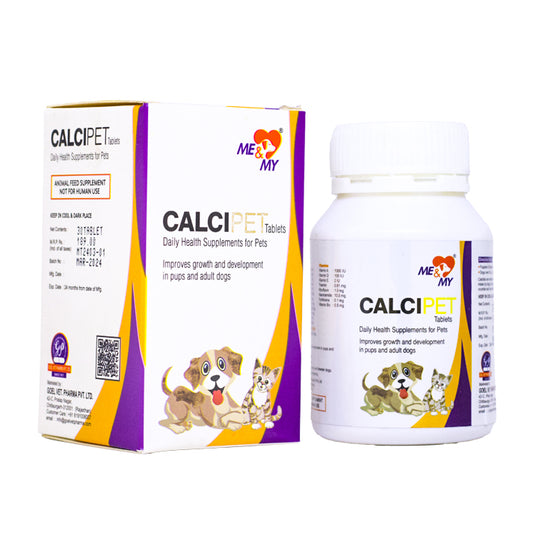
CALCIPET for Pups and Adult Dogs | For Improves Growth and Development
Regular price ₹ 189.00Regular priceUnit price per -
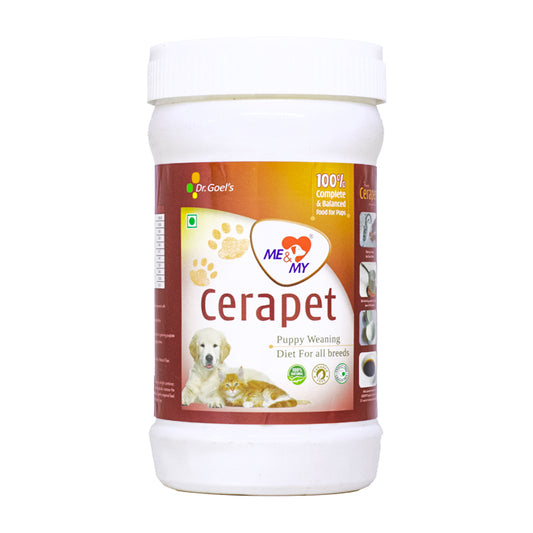
CERAPET for Puppies and Kittens | For Health Growth
Regular price ₹ 450.00Regular priceUnit price per -
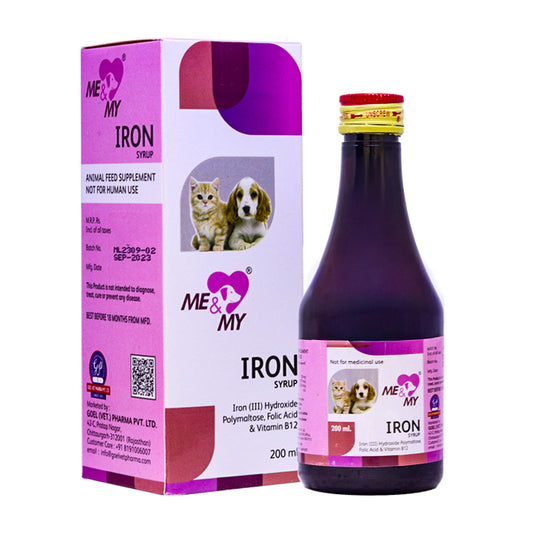
Iron Homeopathic Supplement for Pets | To Improve Appetite and Iron
Regular price ₹ 220.00Regular priceUnit price per -
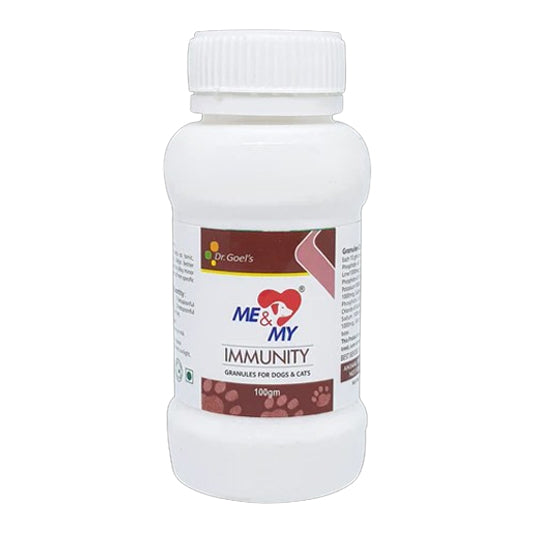
Me & My IMMUNITY 100 GMS For raising immunity in Pets
Regular price ₹ 200.00Regular priceUnit price per -
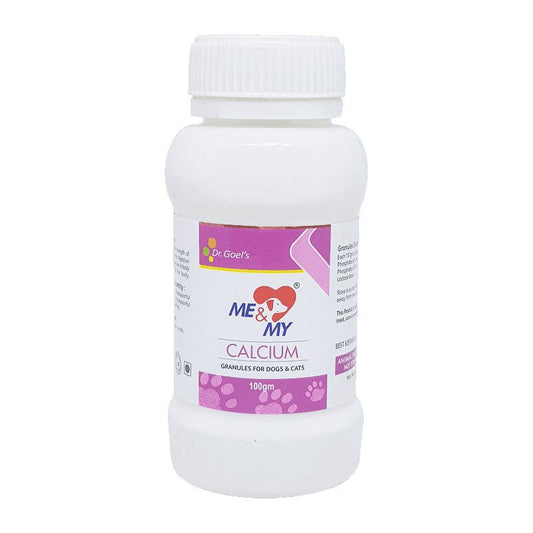
Me and My CALCIUM 100 GM For Calcium Supplementation in Pets
Regular price ₹ 200.00Regular priceUnit price per -
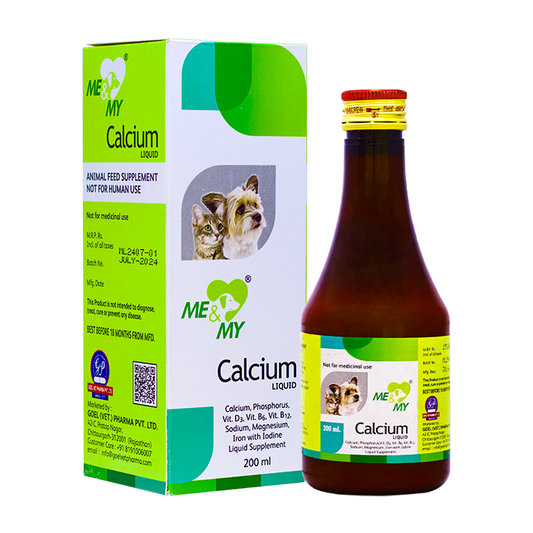
ME and MY CALCIUM Supplement for Pets | For Strong Bone and Growth
Regular price ₹ 175.00Regular priceUnit price per -
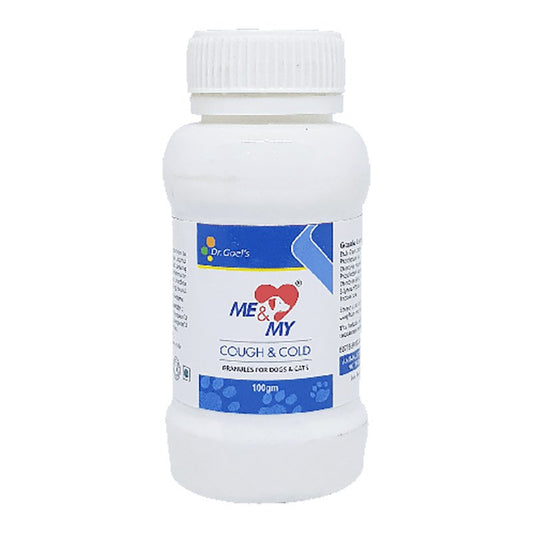
Me and My COUGH and COLD 100 GM for Cough and Cold in Pets
Regular price ₹ 200.00Regular priceUnit price per -
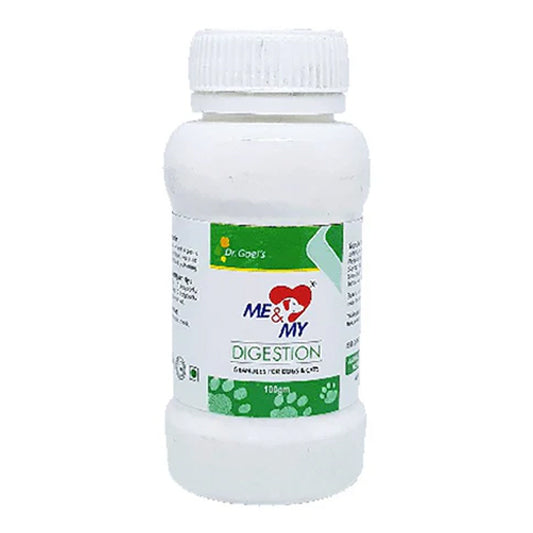
Me and My DIGESTION 100 GMS For Indigestion in Pets
Regular price ₹ 200.00Regular priceUnit price per -
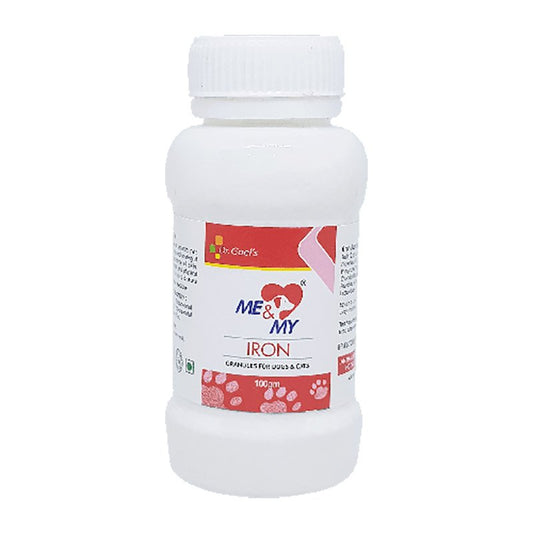
Me and My IRON 100 GM For Anaemia in pets
Regular price ₹ 200.00Regular priceUnit price per -
Me and My MOBILITY 100GM For Restoration of Physical movement in Pets
Regular price ₹ 300.00Regular priceUnit price per -
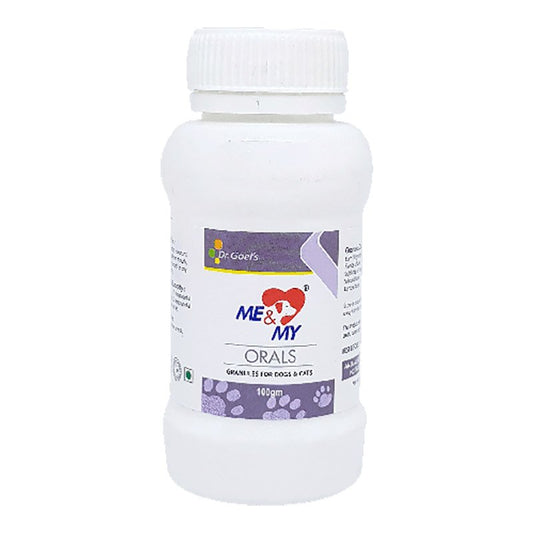
Me and My ORALS 100 GM Helps in removal of Foul Breath in pets
Regular price ₹ 200.00Regular priceUnit price per -
Me and My SKIN And COAT 100 GM For skin issues in Pets
Regular price ₹ 300.00Regular priceUnit price per -
Me and My VITALITY 100 GM Helpful in Depression, Nervousness in pets
Regular price ₹ 200.00Regular priceUnit price per -
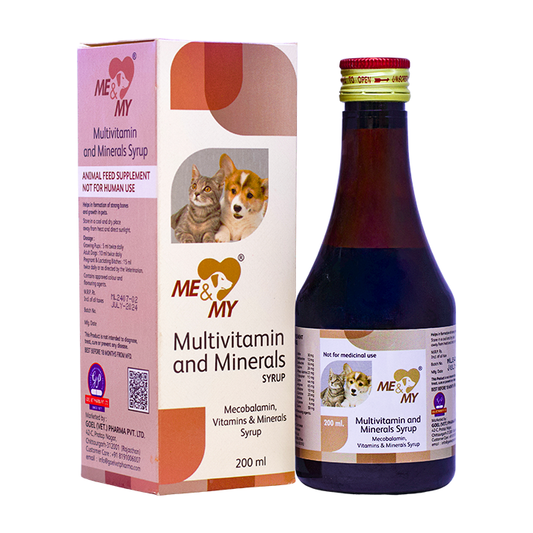
Multivitamins and Minerals Supplement for Pets | Energy Booster
Regular price ₹ 240.00Regular priceUnit price per



-
CANASULE NO.1 - Immunity & Growth Enhancer for Pups & Kittens
Regular price ₹ 350.00Regular priceUnit price per -
CANDISGO Helps in Canine Distemper in Dogs & Cats
Regular price ₹ 422.00Regular priceUnit price per -
CELLOGEN Natural Immunity Booster & Cell Count Support for Pets
Regular price ₹ 200.00Regular priceUnit price per -
CONSTIGO Gentle, Natural Relief for Pet Constipation & Digestive Discomfort
Regular price ₹ 375.00Regular priceUnit price per -
CRETIGO Drops — Advanced Kidney Care & Creatinine Management
Regular price ₹ 422.00Regular priceUnit price per -
CYSTIGO – Fast-Acting Relief for Urinary Pain, UTIs & Kidney Stones in Pets
Regular price ₹ 375.00Regular priceUnit price per -
DERMISULE for PETS — Homeopathic Remedy for Skin Infections, Itching & Mange
Regular price ₹ 422.00Regular priceUnit price per -
DIABOSYZ JUMBO KIT for PETS 30ML For Diabetes
Regular price ₹ 468.00Regular priceUnit price per -
DIAFINE for PETS 20ML for Diarrhoea and PARVO
Regular price ₹ 300.00Regular priceUnit price per -
FERTIMATE DROPS for PETS 30ML For INFERTILITY in Females
Regular price ₹ 422.00Regular priceUnit price per -
GOHEAL SPRAY For Wounds due to injury, FMD, Burns
Regular price ₹ 200.00Regular priceUnit price per -
GOVET MULLIEN OIL EAR DROPS FOR DOG, CAT, COW & BUFFALO
Regular price ₹ 169.00Regular priceUnit price per -
HEAMATOG For Hematoma & Haemorrhage in Dogs & Cats
Regular price ₹ 375.00Regular priceUnit price per -
HENCOLD For Dogs and Cats To Fight Against Flu, H5N1, & Bird Flu
Regular price ₹ 450.00Regular priceUnit price per -
IMMUNOVA for INCREASING IMMUNITY in PETS
Regular price ₹ 375.00Regular priceUnit price per -
INFLASULE for PETS 30ml For Joint Pain & Rheumatism
Regular price ₹ 375.00Regular priceUnit price per -
LIVOMATE for PETS Liver Enhancer
Regular price ₹ 234.00Regular priceUnit price per -
NEUROMATE for PET 30ml For Epilepsy or seizure disorder
Regular price ₹ 422.00Regular priceUnit price per -
ORICAN FOR ORAL HEALTH IN DOG AND CAT
Regular price ₹ 375.00Regular priceUnit price per -
PARVOGO for PARVO VIRUS in DOG and CAT
Regular price ₹ 540.00Regular priceUnit price per -
PENTOFF for PETS 20ML For Anorexia
Regular price ₹ 281.00Regular priceUnit price per -
PROTOFINE Fight against Protozoans in Dogs & Cats
Regular price ₹ 422.00Regular priceUnit price per -
PYROFINE for PETS 20ML for Fever or Pyrexia
Regular price ₹ 234.00Regular priceUnit price per -
SEPTAFINE DROPS for PETS 30ML for Sepsis or absus
Regular price ₹ 400.00Regular priceUnit price per -
STRESSZA for Pets 30ml For Stress and Anxiety
Regular price ₹ 422.00Regular priceUnit price per