
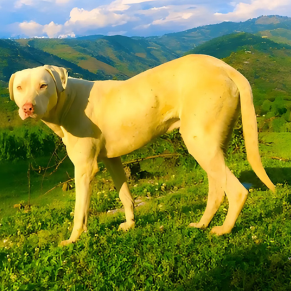
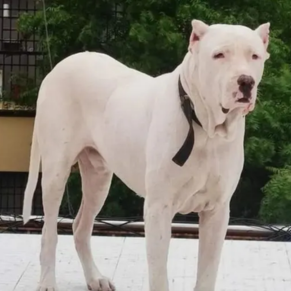
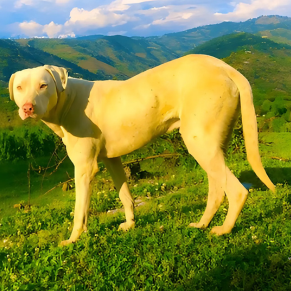
Pakistani Bully
| Lifespan 8-10 years |
Origin Thanjavur, Sindh |
| Temperament Aggressive, Protective, Intelligent, Alert, Energetic, Responsive |
Height 81 – 89 cm (Male, Adult), 71 – 81 cm (Female, Adult) |
| Colors -- |
Weight Male: 70–90 kg, Female: 60–70 kg |
About the Breed
Few breeds command a room the way the Pakistani Bully does. Built like a tank, loyal to a fault, and carrying centuries of history in its wrinkled jaw, the Pakistani Bully Kutta isn't a dog you casually pick out of a list; it's a commitment. If you're considering bringing one home or already share your life with one, here's everything you actually need to know about it.
Some of the common diseases and Homeopathic Remedy:
Diseases:
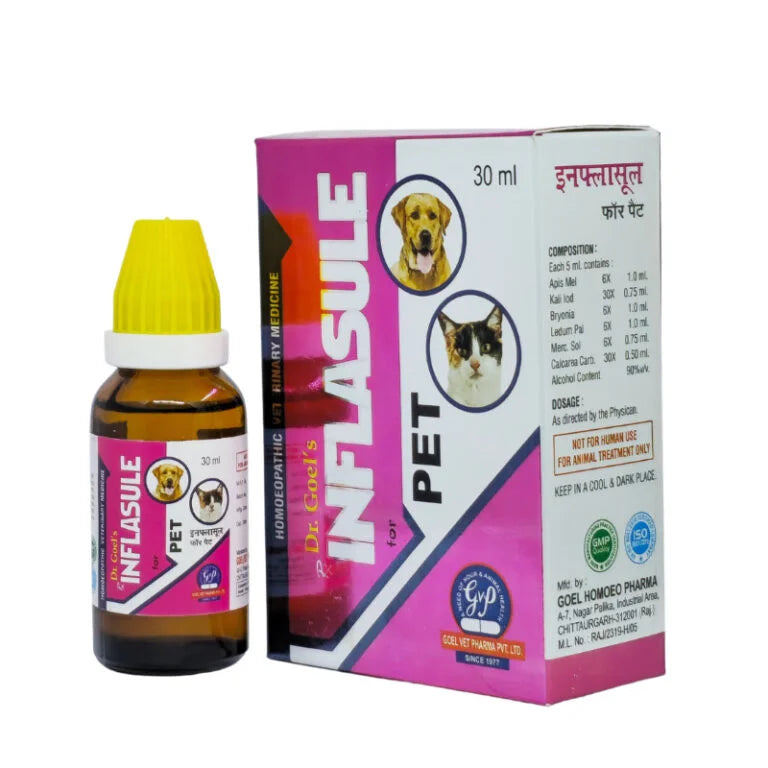
Hip Dysplasia:
This is a condition where the hip joint doesn’t develop properly, leading to arthritis and mobility issues.
Suggested Solution: Inflasule for pets effectively addresses joint inflammation, lameness, and discomfort caused by conditions like Lyme disease, arthritis, inflamed eyes, and associated symptoms.
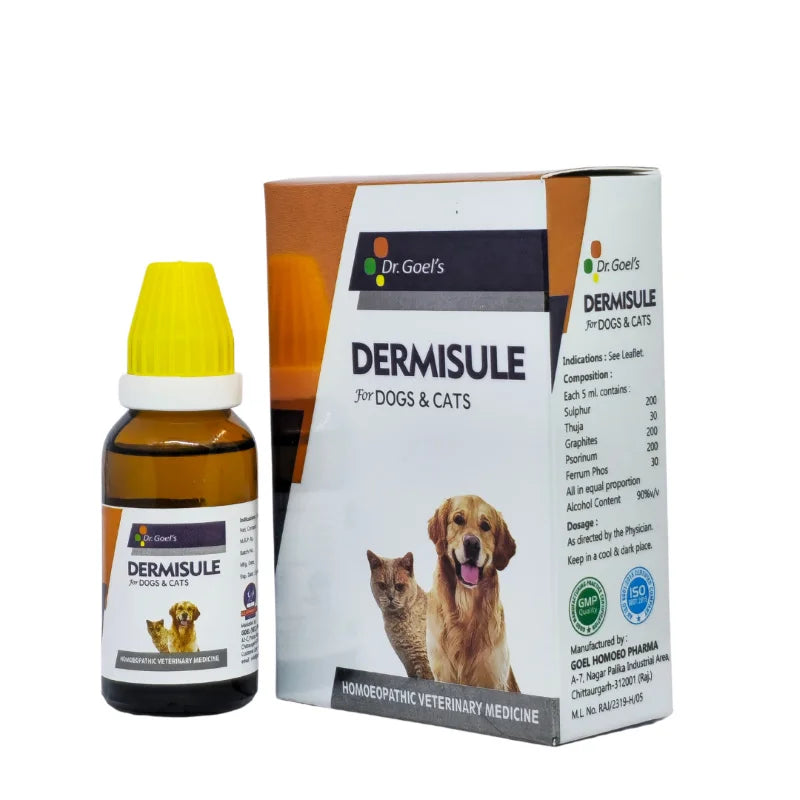
Skin Condition:
Due to their skin folds and structure, Bully dogs may be prone to skin infections, allergies, and irritations.
Suggested Solution: Dermisule for pets is the best remedy for dogs suffering from skin conditions like eczema, allergies, rashes, lesions with hair loss, redness, dry, scaly, pus, or bloody discharge. As in Mange disease, specific or general lesions or spots can also be improved.
Joint Issue:
Large breeds often suffer from joint problems such as elbow dysplasia, osteoarthritis, and other orthopaedic issues.
Suggested Solution: Inflasule for pets effectively addresses joint inflammation, lameness, and discomfort caused by conditions like Lyme disease, arthritis, inflamed eyes, and associated symptoms
What Is a Pakistani Bully? Origin and History
- The Pakistani Bully, widely known as the Bully Kutta or Sindh Mastiff, traces its roots to the Punjab and Sindh regions of the Indian subcontinent, with some breed historians also pointing to Thanjavur in the south.
- The name itself is a giveaway: "Bully" comes from the Punjabi word "Bohli," meaning heavily wrinkled, and "Kutta" simply means "dog." So "Pakistani Bully Kutta" literally translates to "wrinkled dog."
- The Mughal emperor Akbar reportedly kept a Bully Kutta as a hunting companion, and the breed made an international appearance at the Second International Dog Show at Islington Agricultural Hall in London in 1864.
- Historically, this bully-dog Pakistani lineage was developed for guarding livestock, hunting large game, and protecting property, not for casual companionship, which explains the temperament you'll read about below.
- Today, the breed is recognized by the Indian National Kennel Club and bred under structured programs by the Indian Mastiff Registry.
Pakistani Bully Appearance and Physical Traits
The Pakistani Bully puppy grows into one of the largest and most imposing dog breeds found in South Asia, but the numbers vary depending on bloodline, so treat these as working ranges rather than fixed rules.
- Short, smooth coat that's low-maintenance but sheds moderately.
- Loose, wrinkled skin around the neck and jowls is the breed's signature trait.
- Broad head, muscular jaw, and a deep, powerful chest.
- Coat colors include white, fawn, black, brindle, and harlequin.
- Erect or cropped ears, depending on regional breeding standards.
Pakistani Bully Height
- Adult males typically stand 81-89 cm at the shoulder.
- Adult females are slightly smaller at 71-81 cm.
- This places the Pakistani Bully among the tallest guardian breeds in the region, rivaling Great Danes and Dogo Argentinos in stature.
Pakistani Bully Weight
- Adult males weigh between 70 and 90 kg.
- Adult females weigh between 60 and 70 kg.
- Puppies gain weight rapidly in their first year, so nutrition during this growth window matters far more than most owners realize.
Pakistani Bully Lifespan: What to Expect
- The average Pakistani Bully lifespan is 8 to 10 years.
- This is fairly typical for a giant breed; larger dogs generally age faster than smaller ones due to the strain of their body mass on joints and organs.
- Genetics, diet, exercise, and the prompt detection of health issues all directly influence how close to (or beyond) the 10-year mark your dog reaches.
- Regular vet check-ups and a proactive approach to joint and skin health can meaningfully extend quality of life in the later years.
Temperament: Is This Breed Right for You?
- Aggressive, protective, intelligent, alert, energetic, and highly responsive that's the official temperament profile, and it's accurate.
- In 2009, temperament evaluations by the American Temperament Test Society, the Bully Kutta scored higher on stability measures than some conventionally "friendly" breeds like Beagles and Collies, a reminder that a dog's reputation and its actual tested behavior don't always match.
- This is not a first-time-owner breed. It needs an experienced handler who can establish calm, consistent leadership from day one.
- Well-socialized Pakistani Bully dogs can be affectionate and gentle with their own family, including children, while remaining naturally suspicious of strangers.
- Poor socialization or inconsistent training can amplify the breed's guarding instincts into genuine aggression; this is a breed shaped heavily by upbringing.
Caring for Your Pakistani Bully Puppy
A Pakistani Bully puppy needs structure early. What you build in the first year sets the tone for the next decade.
Feeding and Nutrition
- Puppies aged 8-12 weeks typically need four small meals a day, tapering to two meals by 6-12 months.
- A balanced diet leaning on quality protein supports the rapid bone and muscle growth this breed goes through.
- Overfeeding during the growth phase puts unnecessary stress on developing joints, a factor directly linked to hip dysplasia risk later.
Exercise Needs
- Daily structured walks are non-negotiable; this breed has high energy and a strong migratory instinct.
- Off-leash space or a secure yard is ideal; apartment living is a poor fit for a dog this size and drive.
- Mental stimulation matters as much as physical exercise; an under-stimulated Bully Kutta gets destructive or reactive.
Grooming
- The short coat needs just weekly brushing.
- Bathe only when necessary; over-bathing strips natural oils and can trigger skin irritation.
- Check and clean the wrinkled skin folds regularly, since trapped moisture is a common trigger for infections.
Common Health Issues in Pakistani Bully Dogs
Being a giant breed comes with a predictable set of health vulnerabilities. Catching these early makes a real difference to comfort and longevity.
Hip Dysplasia
- Hip dysplasia A disorder where the hip joint fails to develop properly, leading to arthritis and limited mobility over time.
- More common in huge, quickly growing breeds such as the Pakistani Bully because of the tremendous stress on developing joints.
- Recommended solution: Inflasule for Pets, a homeopathic medicine that helps with joint inflammation, lameness, and discomfort associated with arthritis and similar disorders.
Skin Infections and Allergies
- The skin folds in this breed trap moisture and debris, rendering them prone to eczema, allergies, and bacterial infections.
- Check for redness, hair loss, dryness, or discharge around neck and cheek folds.
- Recommended Solution: Dermisule for Pets is created for skin disorders, including eczema, allergies, rashes, and lesions with hair loss or discharge.
Joint Problems
- Beyond hip dysplasia, large breeds like the Pakistani Bully are also prone to elbow dysplasia and general osteoarthritis as they age.
- Weight management is one of the most effective preventive measures, since excess body weight compounds joint stress.
- Regular movement (without overexertion) helps maintain joint flexibility over the years.
Conclusion
The Pakistani Bully isn't a breed you own halfheartedly; it's one you commit to. Between its imposing size, sharp intelligence, and deep guarding instinct, this dog rewards structure, patience, and consistent care with a level of loyalty few breeds can match. Whether you're managing a Pakistani Bully puppy through its rapid growth phase or supporting an adult dog through joint and skin health as it ages, the right homeopathic care can make a real difference to how comfortably this breed lives out its years.
Considering a Pakistani Bully or already raising one? Book a free vet consultation with our team to build a health and care plan suited to your dog's exact needs.
FAQs
What is the lifespan of a Pakistani bully?
The average Pakistani Bully lifespan is 8 to 10 years, typical for a giant guardian breed.
How tall is a Pakistani bully?
Adult males are 81-89 cm at the shoulder; females are usually 71-81 cm.
What is the weight of a Pakistani bully?
The average weight of males is 70-90 kg and females 60-70 kg.
Are Pakistani Bully Dogs Good for First-Time Owners?
No. The Pakistani bully is a robust, dominating breed and is only suitable for experienced owners who can provide tough, persistent training and early socialization.
Common health problems in Pakistani Bully dogs?
The most common problems encountered in this breed are hip dysplasia, joint problems, and skin infections in the neck folds.




















-
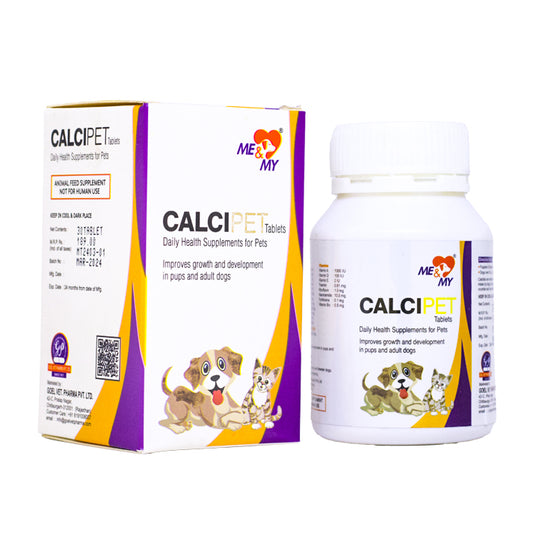
CALCIPET TABLETS FOR PUPPIES, KITTENS & PETS Homeopathic Calcium Supplement for Growth & Bone Health
Regular price ₹ 189.00Regular priceUnit price per -
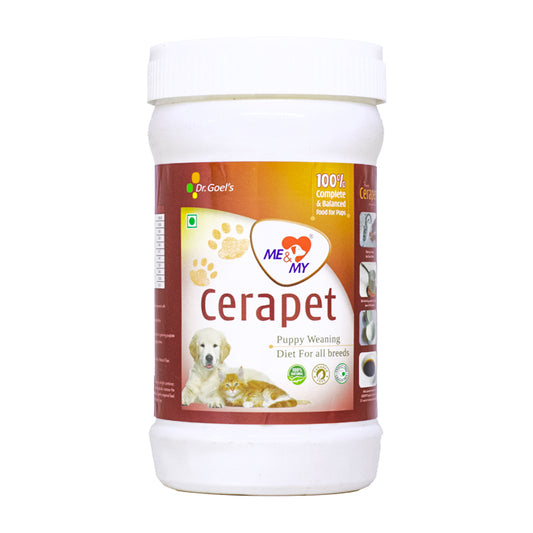
CERAPET FOR PUPPY & KITTEN Homeopathic Cereal Meal Diet & Weaning Supplement for Weaning Puppies & Kittens
Regular price ₹ 450.00Regular priceUnit price per -
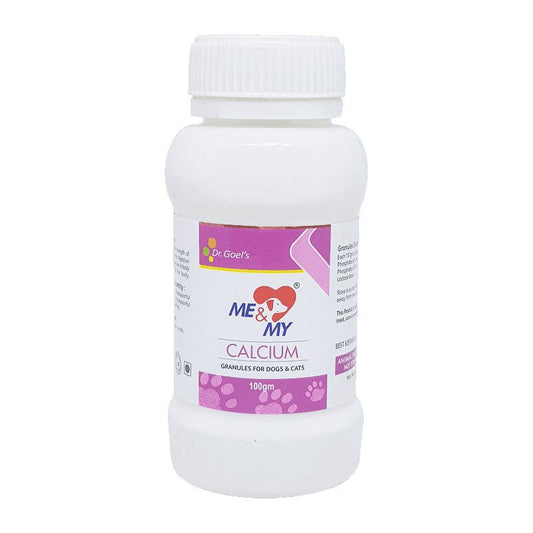
ME & MY CALCIUM GRANULES FOR PETS Homeopathic & Natural Calcium Supplement for Dogs & Cats
Regular price ₹ 200.00Regular priceUnit price per -
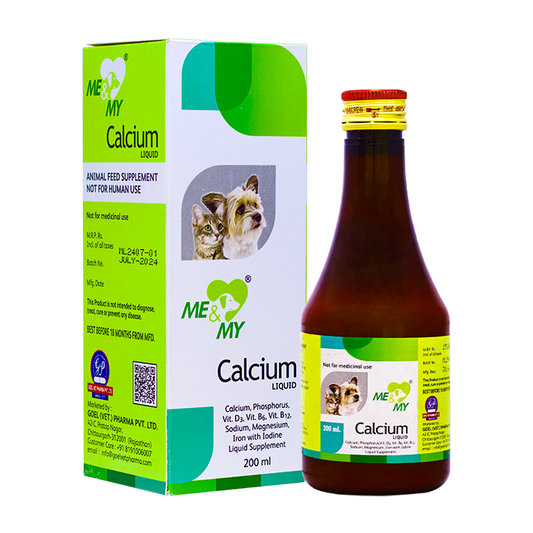
ME & MY CALCIUM SYRUP FOR PETS Homeopathic Calcium Syrup for Strong Bones, Teeth, Energy & Assimilation
Regular price ₹ 175.00Regular priceUnit price per -
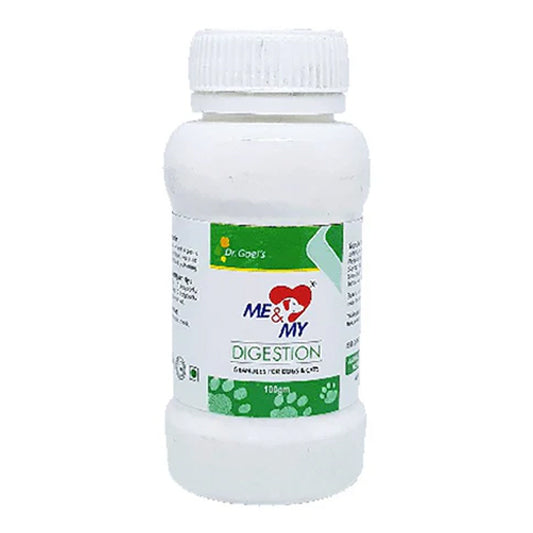
ME & MY DIGESTION GRANULES FOR PETS Homeopathic Digestive Support for Gastritis, Indigestion & Gut pH Balance
Regular price ₹ 200.00Regular priceUnit price per -
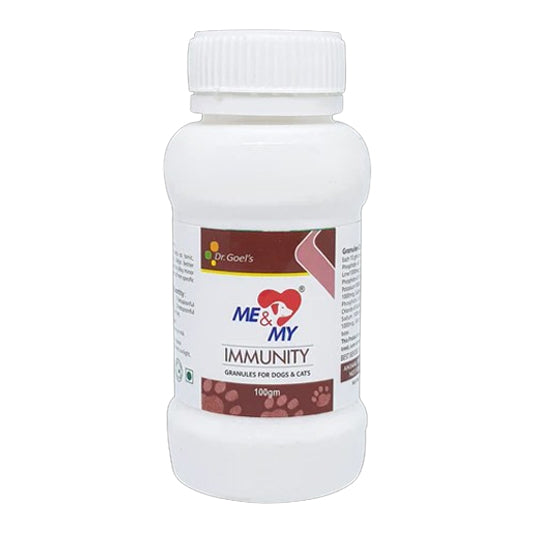
ME & MY IMMUNITY GRANULES FOR PETS Homeopathic Immune-Boosting Supplement for Dogs & Cats
Regular price ₹ 200.00Regular priceUnit price per -
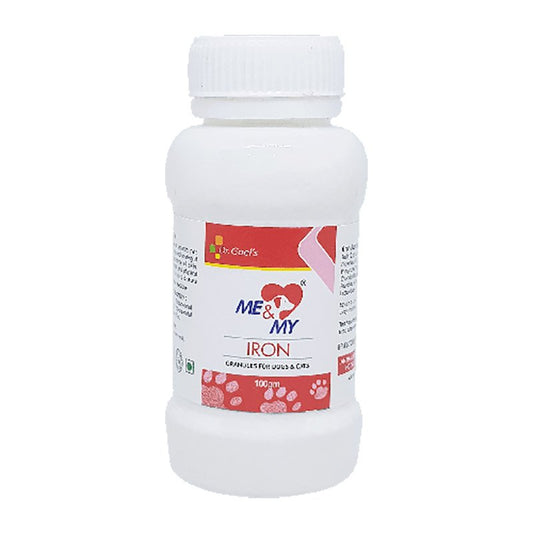
ME & MY IRON GRANULES FOR PETS Homeopathic Iron Supplement for Anemia, Tissue Wasting & Vitality Support
Regular price ₹ 200.00Regular priceUnit price per -
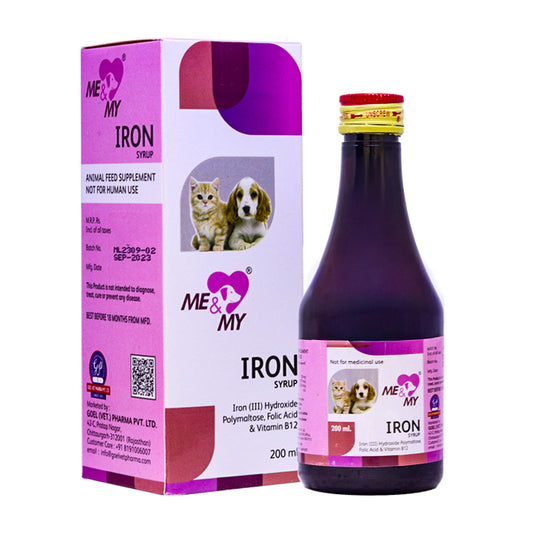
ME & MY IRON SYRUP FOR PETS Homeopathic Iron Supplement for Anemia, Growth & Appetite Boost
Regular price ₹ 220.00Regular priceUnit price per -

ME & MY MOBILITY GRANULES FOR PETS Homeopathic Joint, Muscle & Rheumatic Support for Active Movement
Regular price ₹ 300.00Regular priceUnit price per -
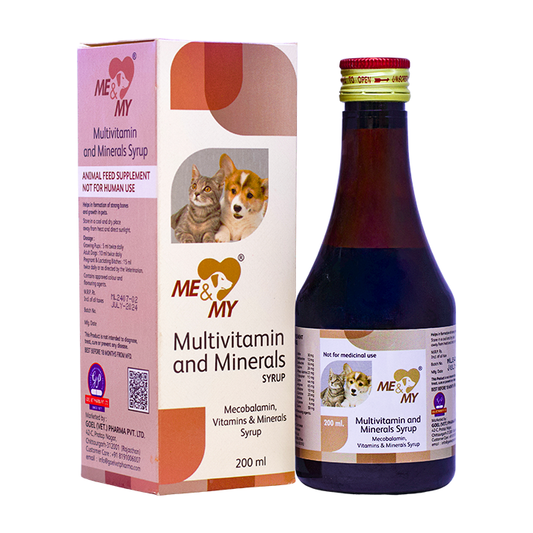
ME & MY MULTIVITAMINS & MINERALS SYRUP FOR PETS Homeopathic Multivitamin & Mineral Syrup for Growth, Energy & Debility Relief
Regular price ₹ 240.00Regular priceUnit price per -
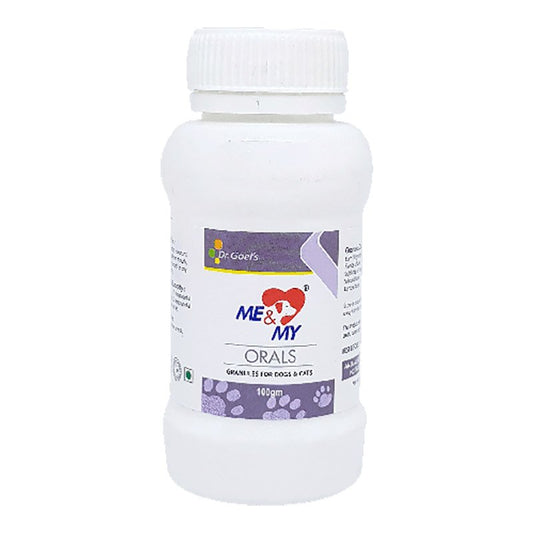
ME & MY ORALS GRANULES FOR PETS Homeopathic Dental & Oral Health Supplement for Foul Breath, Bleeding Gums & Toothache
Regular price ₹ 200.00Regular priceUnit price per -
Me and My COUGH and COLD 100 GM for Cough and Cold in Pets
Regular price ₹ 200.00Regular priceUnit price per -
Me and My SKIN And COAT 100 GM For skin issues in Pets
Regular price ₹ 300.00Regular priceUnit price per -
Me and My VITALITY 100 GM Helpful in Depression, Nervousness in pets
Regular price ₹ 200.00Regular priceUnit price per


-
CANASULE NO.1 - Immunity & Growth Enhancer for Pups & Kittens
Regular price ₹ 350.00Regular priceUnit price per -
CANDISGO Gentle, Natural Support for Canine Distemper
Regular price ₹ 422.00Regular priceUnit price per -
CELLOGEN Natural Immunity Booster & Cell Count Support for Pets
Regular price ₹ 200.00Regular priceUnit price per -
CONSTIGO Gentle, Natural Relief for Pet Constipation & Digestive Discomfort
Regular price ₹ 375.00Regular priceUnit price per -
CRETIGO Drops — Advanced Kidney Care & Creatinine Management
Regular price ₹ 422.00Regular priceUnit price per -
CYSTIGO – Fast-Acting Relief for Urinary Pain, UTIs & Kidney Stones in Pets
Regular price ₹ 375.00Regular priceUnit price per -
DERMISULE for PETS — Homeopathic Remedy for Skin Infections, Itching & Mange
Regular price ₹ 422.00Regular priceUnit price per -
DIABOSYZ JUMBO KIT for Pets – Natural Diabetes Care
Regular price ₹ 468.00Regular priceUnit price per -
DIAFINE DROPS for Pets — Advanced Natural Relief from Diarrhea & Parvo Support
Regular price ₹ 300.00Regular priceUnit price per -
FERTIMATE — Natural Fertility Support & Hormonal Balance for Pets
Regular price ₹ 422.00Regular priceUnit price per -
GoHeal Spray Fast-Acting Natural Wound Healer & Antiseptic Spray
Regular price ₹ 200.00Regular priceUnit price per -
GoVet Mullein Oil Ear Drops Natural Relief for Ear Pain, Infections & Inflammation
Regular price ₹ 169.00Regular priceUnit price per -
HEAMATOG HOMEOPATHIC SUPPORT FOR EAR HEMATOMA, INTERNAL BLEEDING & SWELLING IN DOGS & CATS
Regular price ₹ 375.00Regular priceUnit price per -
HENCOLD Drops for Dogs & Cats Fast-Acting Homeopathic Support for Flu, Cough, Cold & Respiratory Infections
Regular price ₹ 450.00Regular priceUnit price per -
IMMUNOVA – Natural Immunity Booster for Dogs & Cats
Regular price ₹ 375.00Regular priceUnit price per -
INFLASULE – Homeopathic Joint & Anti-Inflammatory Medicine for Pets
Regular price ₹ 375.00Regular priceUnit price per -
LIVOMATE Drops for Pets – Natural Liver & Gut Health Care
Regular price ₹ 234.00Regular priceUnit price per -
NEUROMATE FOR PETS Homeopathic Veterinary Medicine for Seizures & Epilepsy Management
Regular price ₹ 422.00Regular priceUnit price per -
ORICAN FOR PETS Homeopathic Veterinary Medicine for Dental & Oral Care
Regular price ₹ 375.00Regular priceUnit price per -
PARVOGO FOR PETS – Supportive Care for Parvovirus
Regular price ₹ 540.00Regular priceUnit price per -
PENTOFF DROPS FOR PETS for Anorexia & Appetite Boost
Regular price ₹ 281.00Regular priceUnit price per -
PROTOFINE DROPS FOR PETS FIGHT AGAINST PROTOZOANS IN DOGS & CATS Fight against Protozoans in Dogs & Cats
Regular price ₹ 422.00Regular priceUnit price per -
PYROFINE DROPS FOR PETS Homeopathic Pet Medicine for Fever, Pyrexia, Heatstroke & Body Temperature Regulation
Regular price ₹ 234.00Regular priceUnit price per -
SEPTAFINE DROPS FOR PETS Treatment for Sepsis, Abscess, Pyometra & Wound Healing
Regular price ₹ 400.00Regular priceUnit price per -
STRESSZA DROPS FOR PETS CALMING SOLUTION FOR STRESS & ANXIETY IN DOGS & CATS
Regular price ₹ 422.00Regular priceUnit price per