


Punganur Cow: Mother Of All Cows
The cow has a long and significant history in India, where it is considered a sacred animal in Hinduism and worshipped by millions of people. Cows are revered for their gentle nature, their ability to provide milk and dairy products, and their role in agriculture.
Cows are an integral part of Indian culture and are often used in religious ceremonies and rituals. They are decorated with flowers and other adornments and paraded through the streets during festivals such as Diwali and Holi. In some regions of India, it is customary to feed cows and other animals as a form of charity and good karma.
Cows are revered in India as the holy mother, the sustainer, the provider, and the giver. They are treated no less than a family member, as a mother, and as a symbol of purity, love, and warmth.
Cows are domesticated animals that are known for their gentle disposition and usefulness in agriculture. They are typically raised for their milk in our country. Cows are social animals and tend to form close bonds with other members of their herd. They communicate with each other through a variety of vocalizations and body language, and they have been shown to have individual personalities and preferences.
Cows are naturally herbivorous, meaning they strictly consume a vegetarian diet. Cows are herbivores and consume large amounts of grass, hay, and other plant material to sustain themselves. They have a unique digestive system that allows them to break down tough plant fibers in their stomachs. They are cloven-footed, usually horned animals and are known for their loving and docile nature. In today’s blog, let us dive into the world of cows and discover a new cattle breed: the Punganur Cow, often recognized as a mini cow in India because of its exceptionally small size compared to other cattle breeds.
The Origin: Native Breed Of Andhra Pradesh
The Punganur cow, also known as the Punganuru breed of cow, is a small-sized indigenous cattle breed usually found in the Chittoor district of Andhra Pradesh, India. This breed traces its origin to the Punganur region of Southern India.
This cow has been named after the town of Punganur and is one of the smallest breeds of cattle in the world. Because of its tiny stature, many people also refer to it as a miniature cow in india. However, this breed of cow is well adapted to the hot and dry climate of South India. This breed is believed to have been developed by the farmers of the region through selective breeding over several centuries.
Why ‘Mother Of All Cows’? (The Breeding Truth)
The Punganur Cow is referred to as the “mother” for she is the genetic base. Many Indian breeds are descended from old Punganur stock. “By rearing a Punganur Cow you are preserving an agricultural heritage that is thousands of years old. A miniature cow in India like the Punganur produces female calves that carry her best qualities:
- Heat resistance (South Indian summers)
- Ability to milk (selective breeding)
- Natural selection (resistance to disease)
- Calm disposition
That’s what “mom” means. She's the foundation for generations to come.
The Breed: Price Of Baby Punganur Cow And Rearing
The cost of Punganur cows in India can vary depending on multiple factors, such as their age, health, breed purity, and location, such as in Odisha and in Maharashtra. As this breed of cow is a rare breed, its cost can be relatively high compared to other types of cows. In fact, discussions about small cow breeds in india price often include the Punganur cow because of its rarity and high demand among farmers and collectors.
The cost of a Punganur cow can typically range from Rupees 1,00,000 to 10,00,000 rupees, depending on the factors above.
The purity of the Punganur cattle breed also plays a significant role in determining its buying cost. Generally, the purebred Punganur cows are more expensive than the crossbred ones, as they are more in demand for breeding purposes. The age of the cow also affects its cost, as younger cows are generally more expensive than older ones due to their higher reproductive potential.
The cost of raising and caring for Punganur cows can also add to the overall cost of owning one. As a rare breed, they require specialized care, such as a specific diet, regular health check-ups, and proper housing facilities. These costs, along with the cost of feeding and other expenses, can add up to the total cost of owning a Punganur cow.

The Features of Punganur Cattle
The Punganur cow breed is known for its unique features and different physical characteristics. The Punganurbreed is one of the smallest breeds of cattle in the world, owing to its short stature and size. The Punganur breed of cows typically weighs anywhere between 115-200 kilograms, whereas the bulls weigh anywhere between 200-250 kilograms. This breed has a unique light brown or white coat along with short and fine-textured hair. Due to their short and finely textured hair, the Punganur cows can keep themselves cool in the odd south Indian temperature.
This breed of cow typically has short and curved horns that are usually black or brown in color. The breed also has small and pointed ears that are usually forwardly directed. One of the unique features of this cow breed is that it can produce milk proportionally higher than its body weight.
Temperament-wise, this breed is quite docile and adapts quite well to the southern temperature. It also has high adaptability to low-quality feed and can survive in adverse conditions and environments. The Punganur cow is quite sturdy and resistant to diseases in the South Indian environment. This makes the Punganur breed of cow an ideal breed for small-scale farmers who do not have access to expensive feed or veterinary services.
The Punganur cow is also eco-friendly in nature, since the requirement for water and feed, along with space and the shed, is much less compared to other larger breeds of cattle and thereby produces lesser amounts of methane gas.
Hence, owing to all such good characteristics that this breed possesses, dairy farmers are open to learning more about this breed to improve their dairy production.
Dairy Characteristics Milk of Punganur Cows
The milk of Punganur cows is quite rich in protein, calcium, and other important essential nutrients, making it an ideal source of nutrition for people of all age groups. Milk is also used for making various dairy products like butter, cheese, ghee, and yogurt, which have a high market demand. This cow breed is known for producing A2 milk which is currently in high demand.
The milk of Punganur cows is quite rich in protein, calcium, and other important essential nutrients, making it an ideal source of nutrition for people of all age groups. Milk is also used for making various dairy products like butter, cheese, ghee, and yogurt, which have a high market demand. This cow breed is known for producing A2 milk which is currently in high demand.
The milk produced by the Punganur cows breed is known for its high-fat content, thus making it ideal for producing ghee, a type of clarified butter that is widely used in Indian cuisine. Milk is also rich in nutrients such as calcium, potassium, and magnesium, which are essential for maintaining good health.

As mentioned before, Punganur cow milk is of A2 characteristic and hence is in high demand in the market. In some areas, the price of their milk can be significantly higher than that of other breeds. It is owing to the health benefits of milk. The price of Punganur cow milk, however, can vary depending on factors such as location and availability.
However, despite the higher cost, many people are willing to pay the premium price for the unique qualities and taste of Punganur cow milk. Punganur cows are a rare breed of cows and do require special care, such as specific diet plans and regular health check-ups, which can increase the overall cost of milk production. Additionally, the transportation and distribution costs can also add to the final cost of the milk.
The cost of Punganur cow milk varies anywhere between 50 to 80 rupees per liter, again depending upon rearing, distribution, transportation, and other miscellaneous costs.
Why Farmers Are Really Switching to Mini Cows
There's no mystery here. A mini cow in India costs less to feed but produces enough milk for real profit. The math is simple:
- Lower feed cost: ₹15,000/year vs ₹35,000+ for large breeds.
- Reliable milk: 3-5 liters = 1,200-1,500 liters/year = ₹42,000-52,500/year.
- Longer lifespan: 12-15 years in Indian heat (vs 8-10 for imports).
- Smaller footprint: 3-4 cows per acre vs 1 large breed.
- Better health: Built for the Indian climate, fewer emergencies.
Punganur Cow vs. Other Small Cow Breeds in India: A Comparative Analysis
GoelVet: Your Complete Partner for Punganur Cow Health & Wellness
GoelVet brings premium homeopathic veterinary solutions specifically designed for mini cows and miniature cows in India. Beyond the basic treatments mentioned, GoelVet's comprehensive product range ensures your Punganur investment thrives with expert-backed formulations that are affordable, effective, and free from side effects. From MILKOGEN KIT to specialized immunity boosters, GoelVet supports farmers in maximizing milk production while maintaining optimal herd health. Trust GoelVet where traditional wisdom meets modern veterinary science for your mini cow in India.
Homeopathic Solutions For Panguar Cow
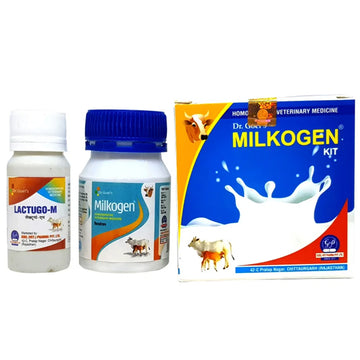
(1) MILKOGEN KIT for Increasing Milk in Panguar Cow
MILKOGEN Kit is an excellent Homeopathic Veterinary Medicine used in Cows and Buffaloes to increase milk yield naturally. It is a natural replacer of oxytocin hormone without any contraindications or side effects but with a definite increase in the milk yield. It increases the milk quantity and fat percentage of the milk to the full potential of an animal.
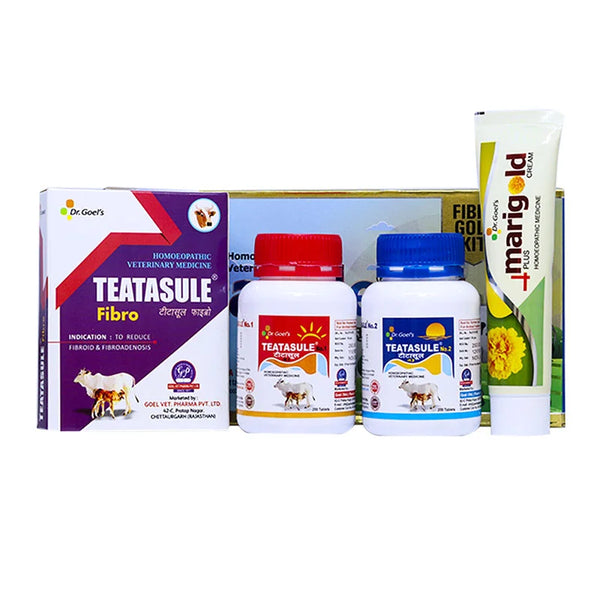
(2) TEATASULE FIBRO GOLD KIT For Mastities Issue In Panguar Cow
TEATASULE FIBRO GOLD KIT is the best Homeopathic Veterinary Medicine for female animals in the case of chronic and clinical mastitis. TEATASULE FIBRO GOLD KIT is very effective in case of chronic or clinical mastitis when the udder is as hard as a stone, teats are shrunk with fibroids developed in the teats, and in teat cracks.
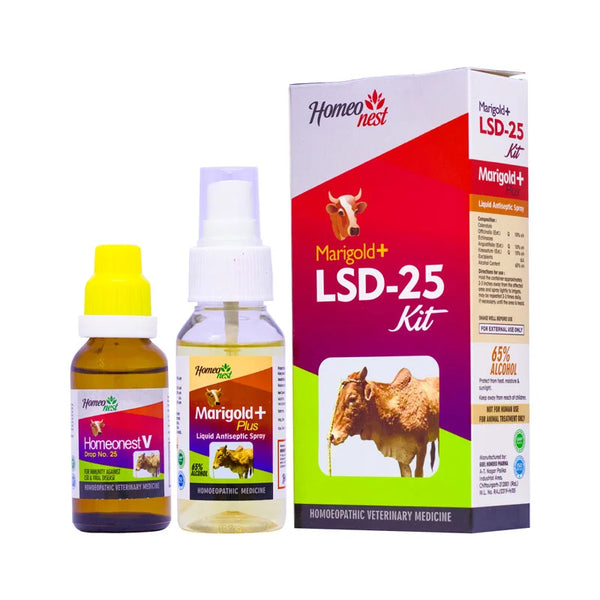
(3) Marigold+ LSD-25 Kit For Lumpy Skin Diseases
Marigold+ LSD-25 Kit is for boosting immunity against LSD and other similar viral diseases. It is a Homeopathic Treatment of Lumpy Skin Disease (LSD) in cattle with oral medicine for enhancing internal Immunity and a healing spray for treating external wounds.
Punganur Cow Age Limit
The Punganur cow starts reproduction until they are 12 - 15 years old in India and it can warry a little bit in Karnataka, in Odisha, and in Maharashtra.
Punganur Cow Milk Production: Milk Per Day Insight
Despite being small in size, the benefits of the Punganur cow are that it can produce up to almost 3 to 5 liters of milk per day. This is the reason why this cow breed is an ideal breed for rearing, especially for small-scale dairy farmers in India.
Conclusion
The Punganur cow represents a revolutionary shift in Indian dairy farming, making entrepreneurship accessible to smallholder farmers. As a miniature cow in India, it delivers exceptional returns despite its modest size, producing 3-5 liters daily while requiring minimal resources. For farmers exploring small cow breeds in India, the Punganur offers unmatched value, costing ₹1,00,000 to ₹10,00,000 while generating ₹30,000+ annual profit.
The mini cow in India isn't just livestock; it's a sustainable, profitable investment aligned with traditional Indian agricultural heritage. Whether you're a small-scale farmer or dairy entrepreneur, adopting Punganur cattle combines economic viability with environmental responsibility, ensuring a prosperous future for generations to come.
FAQs
What’s the difference between a mini cow and a normal cow?
A micro cow will consume between 8 and 12 kilograms a day compared to 20-25 kg for the large kinds. 3-5 liters. 6-8 liters. 3-4 to the acre against 1 big cow. Lives longer in Indian heat ( 12-15 years vs 8-10 years ).
Is Punganur Cow milk better?
Yes. It contains more fat (4-5%) and is better suited for ghee and butter making. Cost premium: Rs 5-10 more per litre than normal milk.
When will I make a profit?
3-4 years with one cow usually. Investment: ₹1,00,000 Profit each year: ₹30,000 ~ 3.3 years. Then net income.
Is it possible to have one on 0.5 acres?
Yes. Realistically 1 to 2 cows per half acre if you are buying extra feed. It is better to have 1 fat person than 2 starving ones.
What if You Don’t Produce Enough Milk?
First check: Water? Available? Second: Feed quality ? Third: Vet check. Most problems are manageable with good management.
Is she in need of pricey medication?
No. Basic preventative care is ₹3,000-₹5,000 a year. Homeopathic treatments are 50-70% cheaper than antibiotics and have no adverse effects.