

Don’t Fool Yourself- These Side Effects Can Be Harmful For Your Pets
While deciding to give a pet medication, we often determine if the benefits outweigh the risks. Why do we do that? Because even if we tend to focus on the good that medications can do, the fact is that every medication might cause unwanted side effects as well. Having an insight into the possible side effects of such pet medications and what to do if they develop is simply a concern of a responsible pet parent.
Dr. Sakshi Sharma, MVSc. J&K
Some common side effects of pet’s medication that seem to be common but are of immense concern could be:
1. Vomiting and Diarrhoea
Many medications are given to pets by the oral route and are absorbed through the gastrointestinal tract. Therefore, possible side effects like vomiting, diarrhea, and poor appetite are quite common. Any oral medication might upset the stomach with moderate to extreme discomfort to the pet. This quite often resolves over a period of time as the body adjusts to the medication or if the drug follows the meal, but sometimes more serious symptoms develop too.
An example of this is antibiotics. Antibiotics are notorious for causing gastrointestinal signs, diarrhoea in particular, because they can also kill the helpful bacterial population in the gut that is essential for normal digestion.
2. Stomach Ulcers
Steroidal drugs like prednisone, prednisolone, dexamethasone, etc., and nonsteroidal anti-inflammatory medications, NSAIDs like carprofen, deracoxib, and firocoxib, are known to increase a pet’s risk of developing digestive tract ulcers, which can lead to vomiting or diarrhea that may contain blood. These medications, when given together, increase the risk of developing life-threatening stomach ulcers. Medications that decrease the production of stomach acid and protect the mucosa of the digestive tract can help heal and prevent ulcers.
3. Nodules and Lumps
Skin involvement is also a huge side effect of medications, especially given by injection. In some cases, the relationship is obvious. For example, if a drug is given by injection, it is not unusual for a small bump to develop under the skin. These bumps usually disappear over the course of a few days to weeks. However, sometimes the bumps don’t go away and cause serious complications further, such as allergies, wounds, or granuloma formation, which are highly discomforting to the pet and can lead to infections.
4. Skin reactions
Topically applied skin medications (e.g., flea and tick repellents and other ectoparasitic spot-on products) will sometimes irritate the skin and cause hair loss, rashes, redness, flaking, and often itching. Usually, cleaning and washing the affected area with mild soap and cool water is all that is needed for the skin to return to normal. However, in the future, avoid using the product that caused the reaction.
Possibility of other rare skin infections is also possible. For example, allergic drug reactions may cause a pet to develop hypersensitivity or hives. A variety of drugs can also cause toxic epidermal necrosis, which is characterised by skin reddening and blistering.
5. Liver or Kidney Damage
All medications eventually need to be metabolised and excreted from the body. The liver and kidneys are the sole organs responsible for this job, and they may be damaged in the metabolism and excretion of harmful metabolite products. Symptoms like increased thirst and urination, panting, anemia, refusal to eat, vomiting, diarrhea, lassitude, and lethargy are commonly seen when a pet develops a medication side effect involving the liver or kidneys.
Unfortunate, there are some side effects that are idiosyncratic, which means that their occurrence is not common, and it’s impossible to determine beforehand which individuals are at risk. Such an example is the relationship between nonsteroidal anti-inflammatory drugs (NSAIDs) and intense liver failure in dogs. Millions of dogs take these medications every year and experience no side effects, but a few do face potentially fatal liver damage. Grossly, the benefits of NSAIDs outweigh the risks, but this is definitely not the case for the unfortunate dogs who suffer the impact of this rare side effect.
6. Anaphylaxis and Hypersensitivity
Certainly, the scariest and most fatal side effect of drugs that a pet parent can witness is anaphylaxis. It is a potentially fatal type of allergic reaction. The symptoms of anaphylaxis start to show up after a pet has been exposed to a drug at least a couple of times. The reaction occurs quickly, often within a span of a few minutes to half an hour or so after the pet has been given the drug. Symptoms include difficulty in breathing, pale or blue-tinged mucous membranes, vomiting, diarrhea, shock, and collapse. Rapid supportive treatment includes intravenous fluids and injections of epinephrine, steroids, and diphenhydramine, which are essential to be given in fractions of a second if a pet has to be saved.
7. Lethargy, Lassitude, Weakness, and More
These are general manifestations of numerous medications. Many medications that pets are given have an effect on the brain. Sometimes these are expected outcomes of sedatives and anti-anxiety medications, but at other times it is an unwanted side effect. For example, opioids like morphine, butorphanol, buprenorphine, fentanyl, and tramadol can cause lethargy or even dysphoria. So the pet feels abnormal sensations leading to a state of unease. Certainly, these symptoms vanish over the course of a few days to a week or so as the body gets used to the medication. The commonly prescribed gut-acting antibiotic metronidazole also has an effect on the brain, especially when given at high doses in acute infections or in elderly patients. It can cause abnormal eye movements, weakness, unsteadiness, and seizures.
Herding dog breeds like Collies, Australian Shepherds, Shetland Sheepdogs, English Sheepdogs, and related breeds have a gene mutation that makes them especially sensitive to macrocyclic lactones like ivermectin or moxidectin, which are the most common drugs to kill parasites. Symptoms of toxicity include dilated pupils, unsteadiness, mental dullness, drooling, vomiting, blindness, tremors, seizures, shock, coma, and death. However, the dose of ivermectin or moxidectin in heartworm prophylactic medications is so low that it is safe for use in almost any breed of dog.
How Antibiotics Disrupt Your Pet's Gut Health Long-Term
Most pet parents think of antibiotic side effects as short-term, a few days of loose stools, and maybe some appetite loss. However, scientific evidence reveals a significantly different narrative regarding the internal changes occurring in your pet's gut.
- A review published in The Veterinary Journal (ScienceDirect, 2022) found that antimicrobials profoundly disrupt the gastrointestinal microbiota in both dogs and cats.
- The disruption includes reduced microbial diversity, loss of beneficial bacterial groups, and blooms of intestinal pathogens.
- In cats, antibiotic-induced changes to the gut microbiome have been documented persisting for over 600 days after the antibiotic was discontinued.
- In dogs, antibiotics commonly prescribed for GI diseases actually appeared to prolong dysbiosis rather than resolve it.
- Early-life antibiotic exposure in kittens delayed normal maturation of the gut microbiome, potentially affecting immune development long-term.
- This is precisely why more veterinarians and informed pet parents are exploring alternatives that don't carry these long-lasting risks.
Breed-Specific Drug Sensitivities Every Owner Should Know
Not every pet reacts to medication the same way. Breed, body weight, and genetics play a significant role in how a drug is absorbed, metabolised, and cleared, and ignoring these differences can be dangerous.
- Greyhounds and sighthound breeds metabolise certain anaesthetic agents far more slowly than other dogs. Research presented at WSAVA noted that propofol clearance in Greyhounds is approximately three times lower than in Beagles.
- The MDR1 gene mutation in herding breeds prevents certain drugs from being properly pumped out of brain cells, leading to dangerous accumulation. Affected drugs include ivermectin, loperamide (a common anti-diarrhoeal), and several chemotherapy agents.
- Cats lack the enzyme needed to safely metabolise acetaminophen (paracetamol). Even a single dose can cause methemoglobinemia and liver failure in cats, a drug that many people consider harmless for humans.
- In a study of 242 Beagle dogs receiving celecoxib, roughly 50% were classified as poor metabolisers with nearly double the drug concentration in their blood compared to efficient metabolisers.
- The bottom line: always discuss your pet's breed, size, and any breed-specific risks with your veterinarian before starting any new medication.
Why Homoeopathic Veterinary Medicine Is a Safer Alternative
With so many conventional drugs carrying documented risks to the gut, liver, kidneys, and immune system, it's worth understanding what a safer treatment approach looks like. Homoeopathic veterinary medicine works on the principle of treating ailments using highly refined, natural substances that are gentle, non-toxic, and free from the organ-damaging side effects of pet medicine that conventional drugs are known for.
- Whereas conventional treatments suppress symptoms and often generate new issues, homoeopathic medicines work with the body’s inherent healing systems.
- Goel Vet Pharma has been the pioneer of homoeopathic veterinary medicine in India since 1977 and is trusted by over 10,000 veterinarians across the country.
- Every Product with zero antibiotic residue, ISO 9001:2015 & WHO-GMP Certified.
- Homoeopathic medication for dogs and cats offers a comprehensive way to treat anything from skin diseases and digestive disorders to anxiety, immunity and wound care.
Preventing and Treating Pet Medication Side Effects
Discussed above are the most common and frequent side effects of the drugs. However, other less common side effects such as those involving the bone marrow and blood, reproductive system, heart, and eye are also possible. Sometimes more than one symptom or a series of symptoms can be observed in one particular individual while none in the other.
A lot can be done by the owners to protect their pets from the side effects of medications. Consulting a veterinarian before administering any kind of medication to your pet. The use of homoeopathy-based medicine, which involves the principle of curing ailments using ingredients from nature, can also be a great alternative to protecting your pet from these kinds of side effects. Homoeopathic medicine for cats and dogs is a complete treatment approach using natural substances to stimulate the body’s natural healing and defence processes. Similar to human homoeopathy, veterinary homoeopathy can be used to treat a wide variety of conditions, from allergies to diarrhea. Homoeopathy concentrates on taking care of the whole animal with methods that are specific, gentle, and parallel to the body’s needs. It is based on the utilisation of specially prepared, refined dilutions of extracts of herbs, mineral elements, and other natural substances and is a great alternative treatment option for pets.
Having better know-how of the medications prescribed by the veterinarian helps you respond during emergency conditions. And finally, never change the dosage or dosing schedule of your pet’s medications on your own without first talking to your vet. Giving your pet too little or too much of a drug can be equally dangerous.
Homeopathic Solution For All Skin Issues in Dogs and Cats
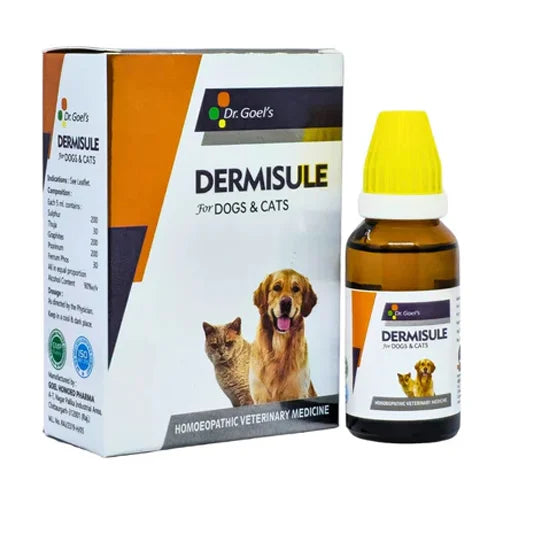
DERMISULE For All Kinds of Skin Issues in Pets:
DERMISULE for pets is the best remedy for dogs suffering from different skin conditions like eczema, allergies, rashes, lesions with hair loss, redness, dry, scaly, pus, or bloody discharge. Specific or general lesions or spots, such as in Mange disease, can also be improved.
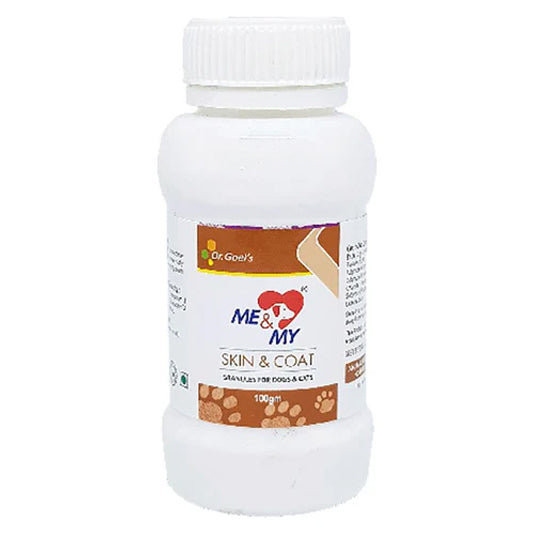
ME and MY SKIN AND COAT Homeopathic Supplement
Me & My SKIN & COAT Pet Supplement is a peerless medicine for our pets’ skin and coat. It helps reattain natural skin and coat after injuries, chaps, cracks, scaly eruptions, or any acute skin lesion in pets. It is highly recommended to treat hair fall for any reason.
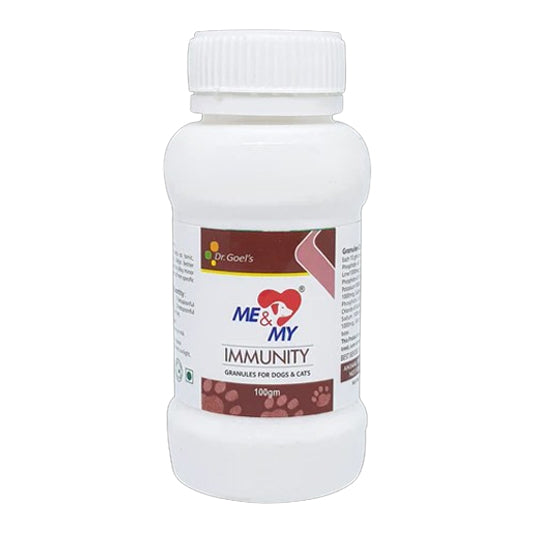
ME and MY IMMUNITY Homeopathic Supplement
Me & My IMMUNITY Pet Supplement is a unique formula of valuable supplements for Dogs & Cats which help in maintaining and raising the IMMUNITY of your lovable pets. It is made for weak and old pets as it improves immunity, helps better utilisation of food, and allays minor ailments or complaints of non-specific nature. It also gives strength to the body’s mechanism for fighting against germs of all kinds.
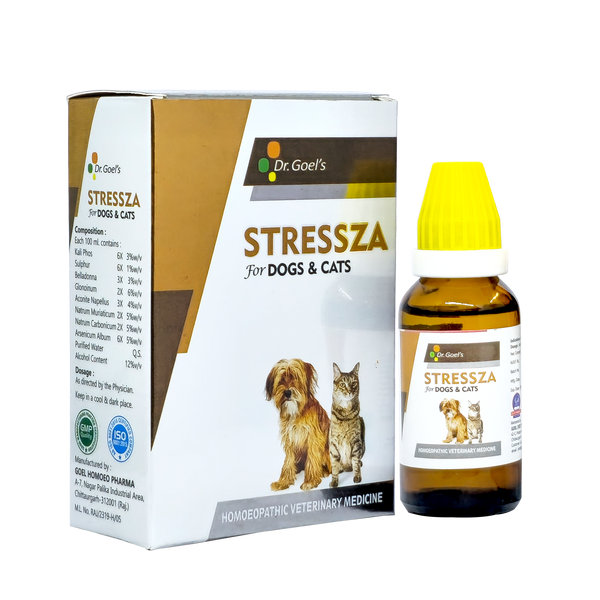
STRESSZA For Pets Stress And Anxiety
STRESSZA for pets is an excellent remedy for treating Anxiety, Stress, and Canine Distemper. When your fur baby is incessantly scratching, barking, hiding behind, feeling anxious, eating nothing, even sometimes behaving wild or attacking unknowingly, etc., these symptoms may be due to Anxiety and Stress or due to various causes of Canine Distemper. We have the best solution to all your problems. We have STRESSZA, a unique homoeopathic veterinary formulation to relieve stress in pets.
Stressza for pets works for Stress due to Traveling, Crackers in the festive season, fighting with stray dogs, being home alone, visiting the hospital for Vaccination, etc.
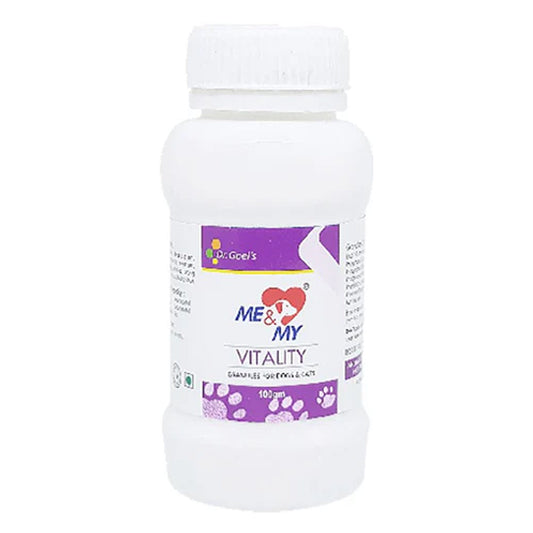
ME & MY VITALITY Supplement For Stress & Anxiety
This is a unique supplement for pets experiencing extreme lassitude (inactiveness), depression, nervousness, irritability, hysterical behaviour, night terror, insomnia, and other related symptoms.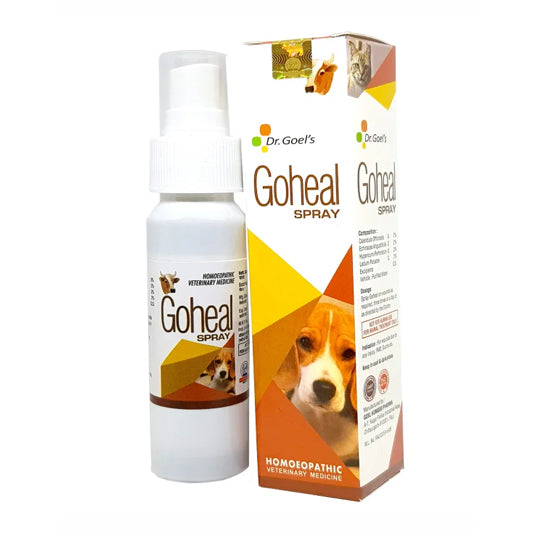
GOHEAL SPRAY FOR Injury, FMD, and Burns
GOHEAL SPRAY is the best Homeopathic Veterinary Medicine for external use only to treat animal wounds caused by any injury, FMD, burns, etc. It can also be used for mouth ulcers and cuts or burns on sensitive parts of the body. GOHEAL SPRAY works very fast to stop bleeding and start healing immediately.
Conclusion
The side effects of pet medicine are real, documented, and sometimes irreversible. From gut damage that can persist for over a year to sudden liver failure that strikes without any warning, these aren't risks any responsible pet parent should overlook.
- Stay informed about every medication your pet takes and its known risks.
- Know your pet's breed-specific drug sensitivities.
- Always consult your vet before starting, stopping, or adjusting any treatment.
- Consider homoeopathic veterinary medicine as a gentler, proven alternative. Goel Vet Pharma has spent nearly five decades helping Indian pet parents and veterinarians keep animals healthy, naturally and safely.
Have questions about your pet's health or are concerned about pet remedy side effects? Book a free veterinary consultation with Goel Vet Pharma's expert team today.
Frequently Asked Questions (FAQs)
1. What are the side effects of pet medicine?
Common adverse effects include vomiting, diarrhea, loss of appetite, skin rashes and lethargy. More serious responses include liver damage, renal failure, stomach ulcers and anaphylaxis. 44% of all recorded adverse drug reactions in animals are the fault of dogs, and understanding is crucial for every pet parent.
2. Can dog medicine side effects cause permanent damage?
Yes, in certain cases. NSAIDs can trigger idiosyncratic liver failure in dogs, unpredictable and potentially fatal. Antibiotic-induced gut microbiome disruption has been documented lasting over 600 days in cats. Long-term steroid or NSAID use can also cause irreversible organ damage if not monitored with regular blood work.
3. Are there harmful effects to pet homeopathic remedies?
Homoeopathic veterinary treatments are extremely diluted natural compounds and are designed to operate with the body’s natural healing processes rather than against them. They are not related to gastrointestinal, hepatic or renal hazards of traditional medicines. Goel Vet Pharma (estd 1977), trusted by 10,000+ vets, offers an entire line of homeopathic pet treatments with no antibiotic residue.
4. What are the pet-remedy side effects of flea and tick treatments?
Topical flea and tick products can cause localised skin reactions, including redness, itching, hair loss, and flaking. In rare cases, they trigger systemic allergic responses like hives or toxic epidermal necrosis. If your pet shows any skin changes after application, wash the area immediately with mild soap and contact your vet.
5. Which dog breeds are most sensitive to medication side effects?
Herding breeds (Collies, Australian Shepherds, and Shetland Sheepdogs) with the MDR1 gene mutation are hypersensitive to antiparasitic and chemotherapy drugs. Greyhounds metabolise certain anaesthetics up to three times more slowly than other breeds. Cats are extremely sensitive to acetaminophen; even a single dose can be fatal.